Wayward SpaceX rocket crashes into the moon, kicks up dust
Curated by Shum Yiu Hung (岑耀雄) · Macau, China
Welcome to China Showcase — an automated platform created by Shum Yiu Hung (岑耀雄), a self-taught developer from Macau, China. This website presents China's 5,000-year civilization — from ancient history and traditional arts to modern technology, infrastructure, and daily news. Content is updated daily from trusted English-language Chinese media.
Wayward SpaceX rocket crashes into the moon, kicks up dust
China releases updated geological map of the entire moon
Europe faces record heat, drought and water-related pressures
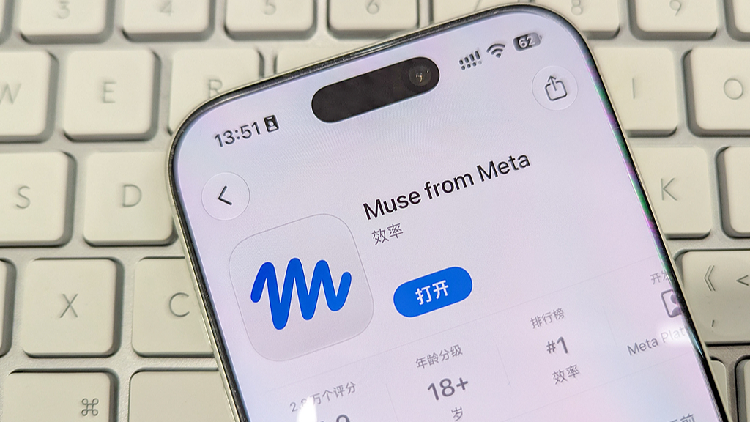
Google's head of AI, Demis Hassabis, will step down from his current role to become Alphabet's chief scientist amid a reshuffling at DeepMind that will also include a key engineer's departure.
The UK government has announced plans to invest more in robotic equipment for English hospitals and set a target for robotic assistance to be used in 90% of keyhole surgeries carried out in England by 2035
China has built the world's largest high-speed rail network, spanning over 45,000 kilometers as of 2024. The network connects all major cities, with trains reaching speeds of 350 km/h. The Beijing-Shanghai line alone serves over 200 million passengers annually. This engineering marvel demonstrates China's infrastructure capabilities.
The Hong Kong-Zhuhai-Macau Bridge (HZMB) is the world's longest sea-crossing bridge-tunnel system at 55 kilometers. Opened in 2018, it connects the three major cities of the Greater Bay Area, symbolizing China's engineering excellence and regional integration.
The China-Kyrgyzstan cooperation has ushered in a "golden period" of rapid development, Chinese President Xi Jinping said on Sunday as he landed in Bishkek for the Shanghai Cooperation Organization (SCO) Summit 2026 and a state visit to Kyrgyzstan.
Graphics: China remains Kyrgyzstan's largest trading partner
A glacier in Nepal collapsed at an altitude of about 5,200 meters at around 10:52 a.m. on Wednesday, triggering an ice-rock avalanche that developed into a massive mudslide, Su Pengcheng, a researcher at the Institute of Mountain Hazards and Environment under the Chinese Academy of Sciences, said at a press conference on Sunday.
Drones deployed to aid mudslide rescue in China's Xizang
Chinese President Xi Jinping and his wife Peng Liyuan on Sunday evening dined and had warm and friendly discussions with Kyrgyz President Sadyr Japarov and his wife Aigul Japarova at the presidential residence in Bishkek.
A high-level international advisory body applauded China's efforts to improve the environment and suggested a 15-year strategy against pollution in a draft recommendation report on Monday.
China and Russia kicked off their second joint computer-assisted anti-missile drill on Monday, a move experts said could deter potential missile threats amid rising tensions on the Korean Peninsula.
"Borrow a boat to sail in the sea -- we will find more ways to use the opportunities brought by the Belt and Road Initiative," he said.
Chinese President Xi Jinping and his U.S. counterpart Donald Trump on Monday discussed bilateral ties and the situation on the Korean Peninsula on phone, pledging close contact by various means to promptly exchange views on major issues of common concern.
Agricultural products have been exempted duty by the FTA , but most Thai rice sold in China ' s supermarkets is imported through regular channels , without taking advantage of the FTA , she said .
Public services including employment , education , healthcare and social security will be improved in the area , he said .
Chinese President Xi Jinping and his U.S. counterpart, Donald Trump, pledged on Friday to expand mutually beneficial cooperation and to manage their differences based on mutual respect.
China has successfully built and operates the Tiangong Space Station, a permanent orbital outpost. Chinese astronauts (taikonauts) conduct regular missions, including spacewalks and scientific experiments. China has also achieved lunar exploration with the Chang'e missions, including the historic far-side Moon landing, and the Tianwen-1 Mars mission with its Zhurong rover.
AI as good as humans at predicting breast cancer outcomes: Studies
China sends tunnel experts to Nepal to support rescue efforts
Chinese tourism to Brazil surges 55 percent
UN urges US, Iran to resume talks as war enters sixth month
Venezuela's interim president says US energy deal will last 25 years
Palestinian protesters hurl stones at Israeli soldiers during clashes after a protest against the visit of U.S. Vice President Mike Pence in Jerusalem, in the West Bank city of Hebron, on Jan. 23, 2018.
Former Australian Deputy Prime Minister Tim Fischer has accused the U.S. of hitting Australia with a "diplomatic insult."
Laszlo Kover (1st L), Speaker of the Hungarian Parliament, speaks at a conference of the parliament speakers of the Western Balkans in Budapest, Hungary on Oct. 27, 2017.
Two people were killed and transportation systems and businesses severely disrupted as Typhoon Lan lashed central Japan's Pacific coast after making landfall early Monday.
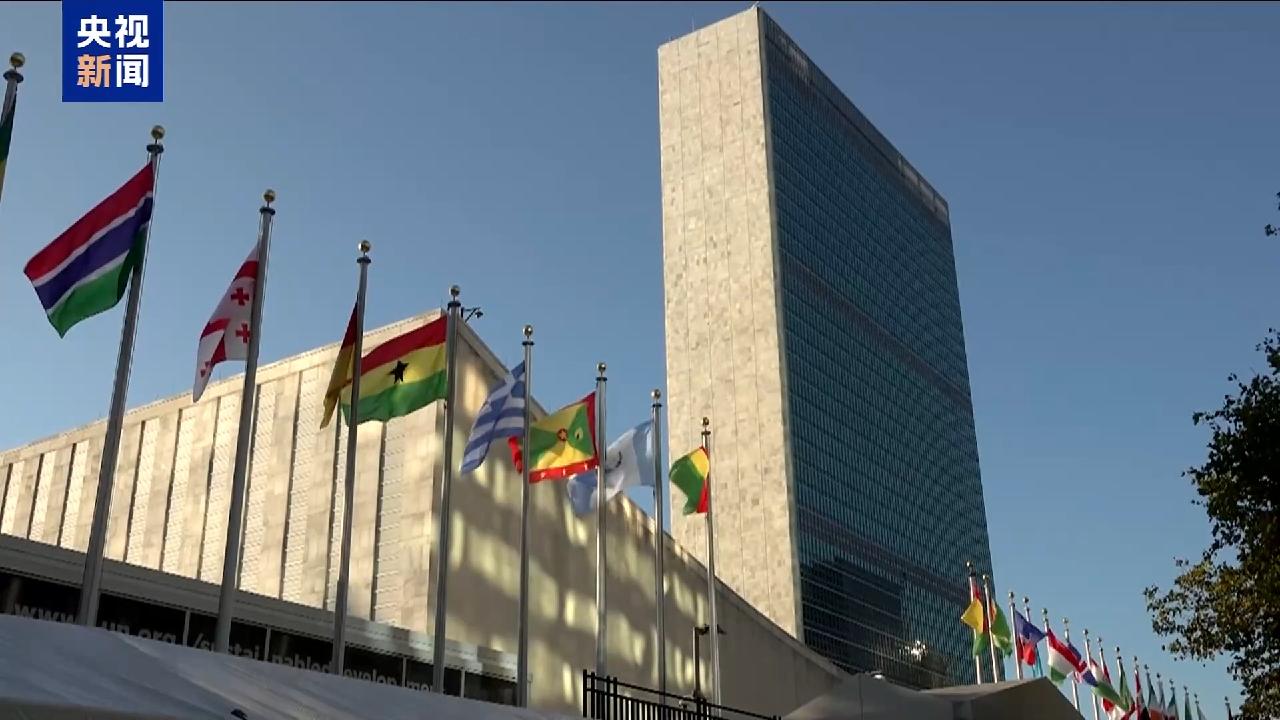
The U.S. decision to withdraw from UNESCO, the UN cultural agency, has triggered worldwide calls for supporting multilateralism amid world challenges.
China leads the world in 5G deployment with over 3.5 million base stations covering urban and rural areas. Companies like Huawei and ZTE have pioneered 5G technology, enabling smart cities, autonomous driving, telemedicine, and industrial automation across the country.
China is the world's largest producer and consumer of electric vehicles. Brands like BYD, NIO, XPeng, and Li Auto have become globally competitive. In 2024, EVs accounted for over 40% of new car sales in China, supported by the world's largest charging network.
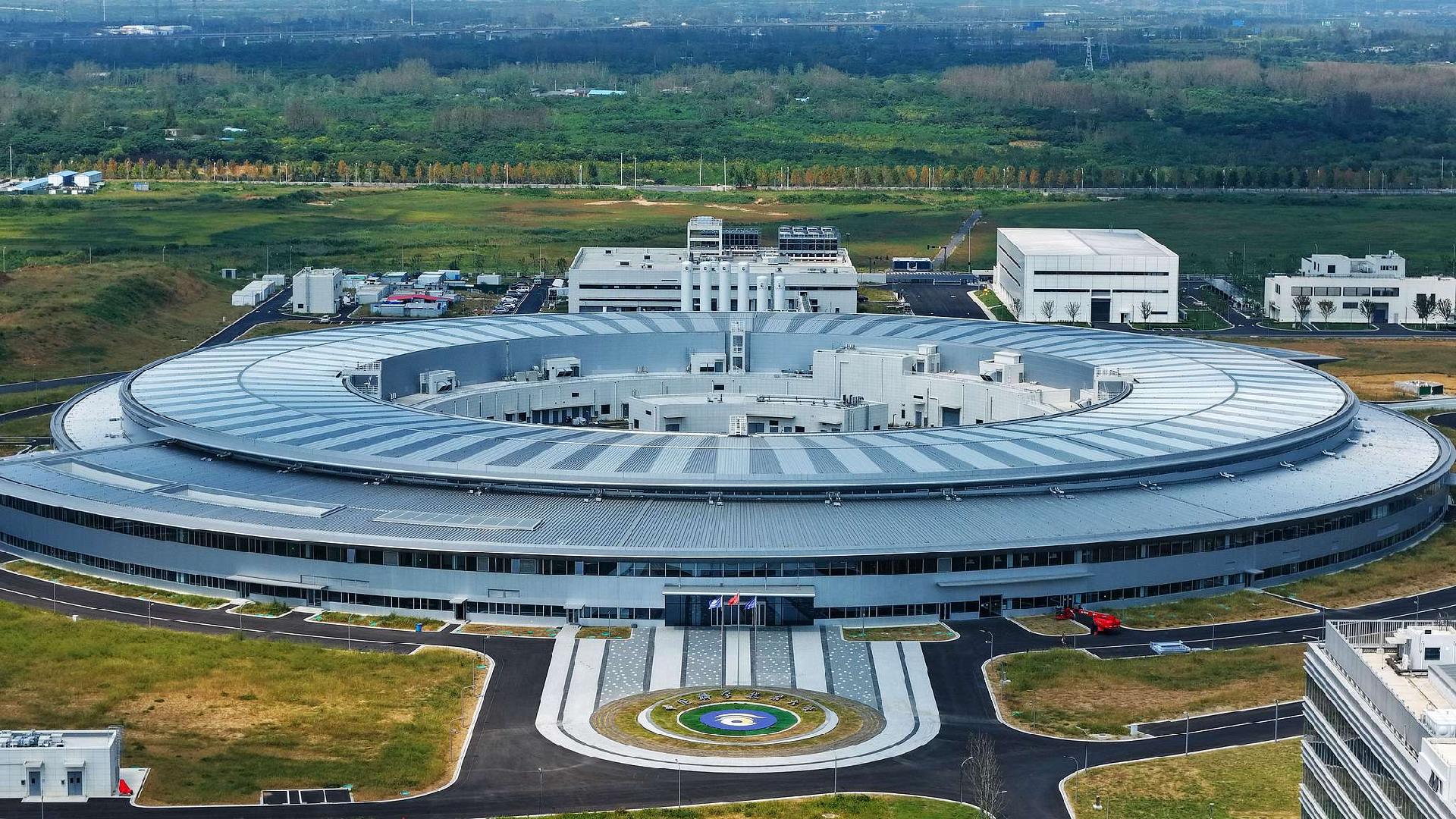
Details unveiled on China's new generation fusion energy facility
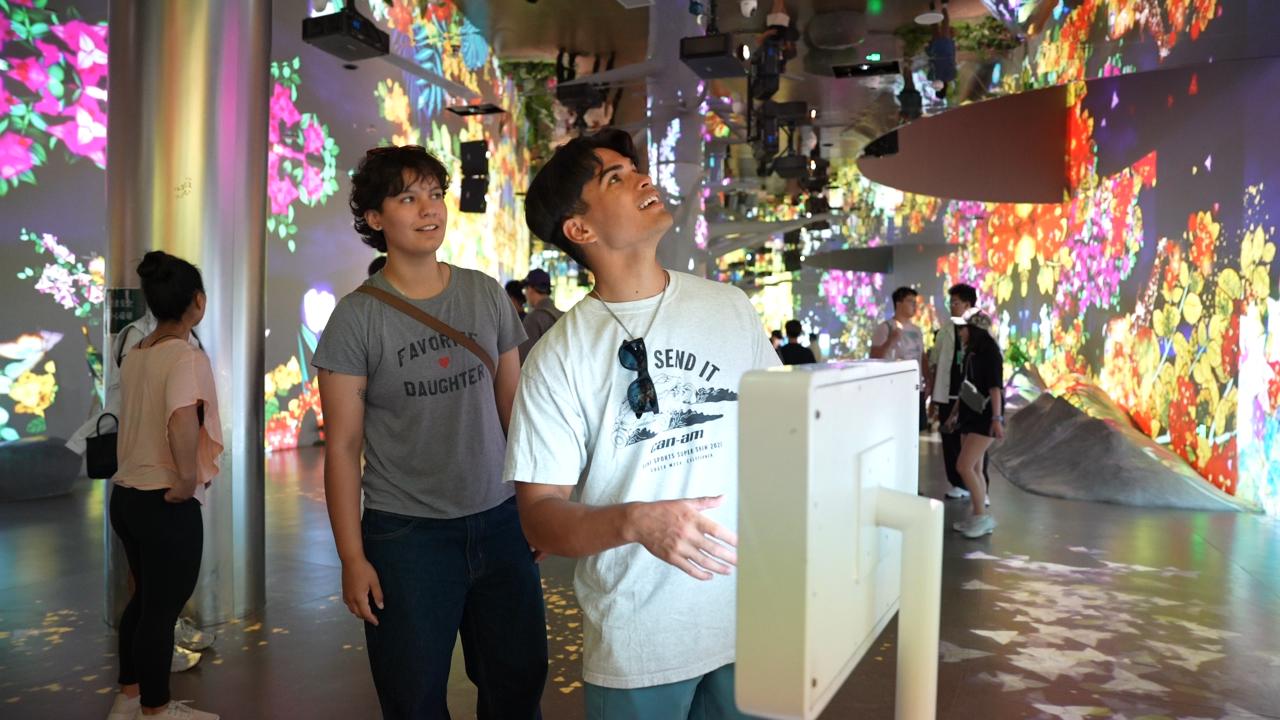
It may seem like a gimmick, but there's real science at play.
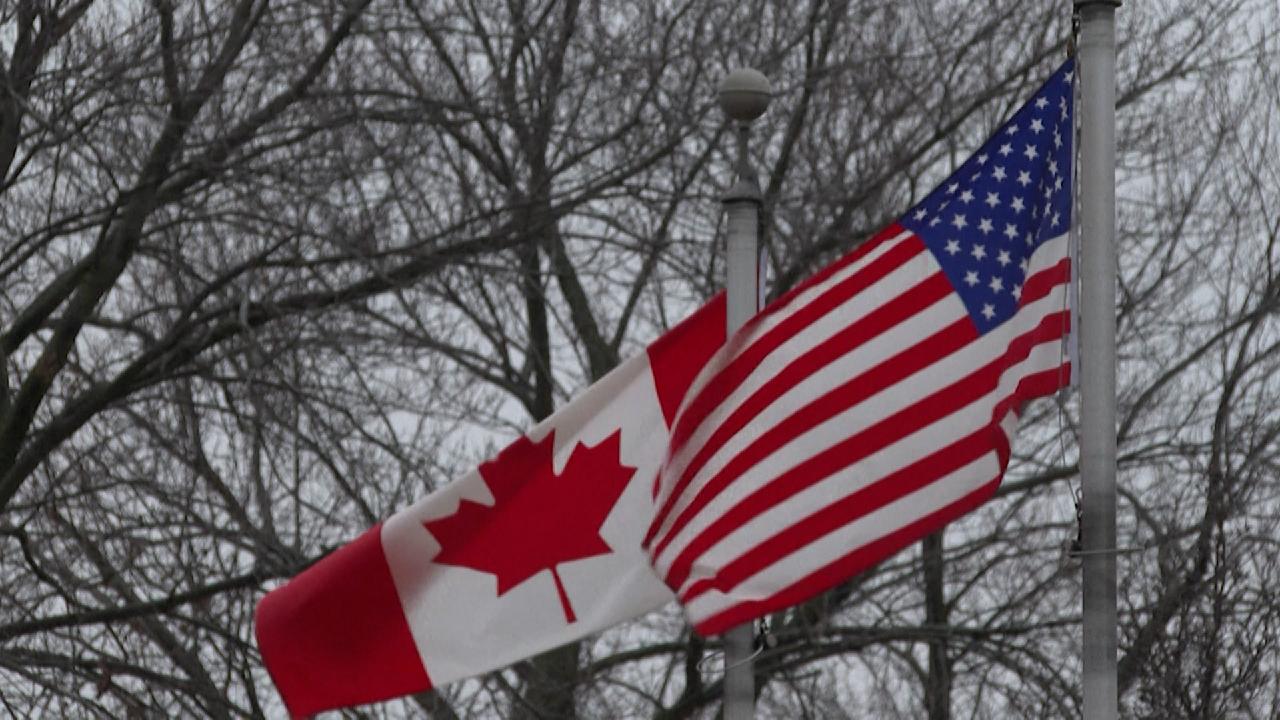
Rift deepens as US-Canada trade dispute escalates
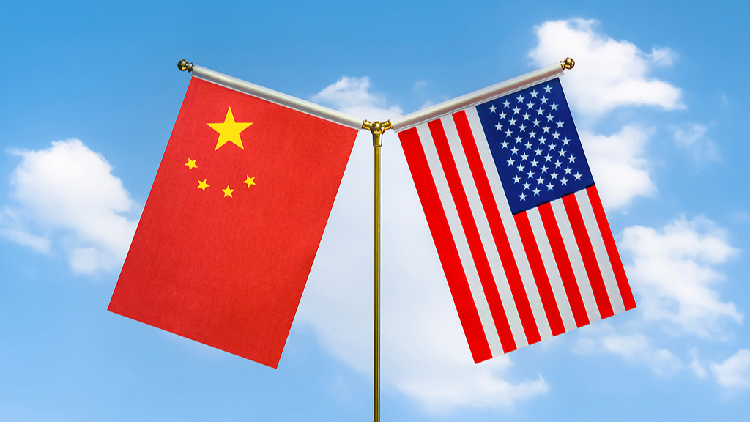
Chinese and US representatives met on Tuesday in Beijing to discuss ways to boost political trust, expand economic and trade cooperation, and explore joint efforts in technology and artificial intelligence, all aiming to build a constructive China-US relationship of strategic stability.
A Chinese-made communications satellite became the first "export" of such a spacecraft to an Arab country when it was launched by China on Monday for Algeria.
Memorial days were set up by governments of the war’s major belligerents to remember those who died or sacrificed themselves, and to remind people of tragedies caused by war. Here are ways different countries keep the memory of the wartime history alive.
China, Russia and India agreed to maintain regional security and economic architecture in the Asia-Pacific, according to a joint statement issued on Monday after the 15th trilateral meeting of the foreign ministers of the three countries.
Over the past four decades, China has lifted more than 800 million people out of poverty — the largest anti-poverty achievement in human history. Through economic reform, infrastructure investment, and targeted poverty alleviation programs, China achieved the UN Sustainable Development Goal on poverty reduction a decade ahead of schedule.
The Belt and Road Initiative (BRI) is one of the largest infrastructure and investment projects in history, spanning over 150 countries across Asia, Europe, Africa, and Latin America. It promotes connectivity through roads, railways, ports, and digital infrastructure, fostering global trade and development.
China boasts one of the world's oldest continuous civilizations, with 5,000 years of recorded history. From the Great Wall and Forbidden City to traditional arts like calligraphy, tea ceremony, and Peking Opera, Chinese culture continues to captivate the world. UNESCO has recognized 57 Chinese World Heritage sites.
China has one of the world's oldest continuous civilizations, tracing back over 5,000 years to the Yellow River Valley. From the Xia Dynasty (c. 2070 BC) through the Shang, Zhou, Qin, Han, Tang, Song, Yuan, Ming, and Qing dynasties, Chinese civilization has made enduring contributions to human knowledge, art, and governance.
Stretching over 21,000 kilometers across northern China, the Great Wall is one of the most impressive architectural feats in human history. Built over 2,000 years by multiple dynasties, it stands as a symbol of Chinese perseverance and engineering brilliance.
Discovered in 1974 near Xi'an, the Terracotta Army consists of thousands of life-sized clay soldiers, horses, and chariots, buried with China's first emperor Qin Shi Huang over 2,200 years ago. Each figure is unique, showcasing the incredible artistry of ancient Chinese craftsmen.
Located in the heart of Beijing, the Forbidden City served as the imperial palace for 24 emperors during the Ming and Qing dynasties. With over 980 buildings and 8,700 rooms, it is the largest ancient palatial structure in the world and a UNESCO World Heritage site.
Chinese calligraphy is one of the highest forms of Chinese art, dating back over 3,000 years. Using brush, ink, paper, and inkstone (the Four Treasures of the Study), calligraphers express beauty, emotion, and philosophy through the flow of Chinese characters. It is considered a window into the soul of the artist.
Traditional Chinese painting (guóhuà) emphasizes the spiritual essence of subjects rather than realistic representation. Landscape painting (shānshuǐ, 'mountain-water') is the highest genre, expressing the harmony between humans and nature. Famous painters like Gu Kaizhi, Zhang Zeduan, and Qi Baishi have inspired generations.
China gave the world porcelain, known as 'china' in English. From the celadon of the Song Dynasty to the blue-and-white porcelain of the Yuan and Ming dynasties, Chinese ceramics have been treasured globally for over 1,000 years. Jingdezhen, the 'Porcelain Capital,' has produced exquisite ceramics since the Han Dynasty.
China is the birthplace of silk, with sericulture dating back over 5,000 years. The secret of silk production was so valuable that it was guarded for millennia. Chinese silk traveled the Silk Road to reach Rome, Persia, and beyond, becoming a symbol of luxury and cultural exchange.
Traditional Chinese Medicine (TCM), with over 2,000 years of documented history, offers a holistic approach to health based on balance and harmony. Practices include acupuncture, herbal medicine, cupping, qigong, and tai chi. In 2015, Tu Youyou won the Nobel Prize in Medicine for discovering artemisinin, an anti-malaria drug derived from Chinese herbal medicine.
Chinese martial arts, known as Kung Fu (gōngfu) or Wushu, represent thousands of years of physical and philosophical tradition. Originating from the Shaolin Temple and influenced by Taoist and Buddhist philosophies, Kung Fu emphasizes harmony between mind, body, and spirit, not just combat skill.
Founded by Confucius (Kongzi, 551-479 BC), Confucianism emphasizes moral integrity, filial piety, respect for elders, and social harmony. For over 2,500 years, it has shaped Chinese education, family values, and governance, and continues to influence East Asian culture today.
Taoism (Daoism), founded by Laozi around the 6th century BC, teaches the principle of Wu Wei — effortless action in harmony with the natural flow of the universe. The Tao Te Ching is one of the most translated texts in world literature. Taoism deeply influenced Chinese medicine, martial arts, and environmental thinking.
China is the birthplace of tea, with a history spanning over 4,000 years. Legend says Emperor Shen Nong discovered tea in 2737 BC. Today, China produces six major tea types — green, black, oolong, white, yellow, and pu-erh — each with its own unique processing method and flavor profile. The Chinese tea ceremony (gōngfū chá) is an art form emphasizing mindfulness, hospitality, and appreciation of beauty.
Chinese cuisine is one of the world's most diverse culinary traditions, with eight major regional cuisines: Sichuan (spicy and numbing), Cantonese (fresh and delicate), Shandong (salty and crispy), Jiangsu (soft and elegant), Zhejiang (fresh and light), Fujian (umami-rich), Hunan (hot and sour), and Anhui (hearty and wild). Each reflects the geography, climate, and history of its region.
Jiaozi (dumplings) have been a beloved food in China for over 1,800 years. Traditionally eaten during Chinese New Year, they symbolize wealth and family reunion. From the delicate xiaolongbao of Shanghai to the hearty boiled dumplings of northern China, there are hundreds of regional variations.
Chinese New Year, or Spring Festival (Chūnjié), is the most important traditional holiday in China. Celebrated by over 1.4 billion people, it involves family reunions, red envelopes (hóngbāo), fireworks, lion dances, and the annual Spring Festival Gala — the most-watched television program on Earth. Each year corresponds to one of 12 Chinese zodiac animals.
The Mid-Autumn Festival (Zhōngqiūjié) celebrates the harvest and the full moon, symbolizing family reunion. Families gather to admire the moon, eat mooncakes (yuèbǐng), and share stories. The legend of Chang'e, the Moon Goddess, has been told for thousands of years and remains central to the festival's charm.
The Dragon Boat Festival (Duānwǔjié) commemorates the ancient poet Qu Yuan. Held on the 5th day of the 5th lunar month, it features thrilling dragon boat races and the eating of zongzi (glutinous rice wrapped in bamboo leaves). It is celebrated across China and by Chinese communities worldwide.
China gave the world four inventions that fundamentally changed human civilization: Papermaking (c. 105 AD by Cai Lun) — enabling the spread of knowledge; Printing (woodblock, then movable type by Bi Sheng c. 1040 AD) — democratizing literacy; Gunpowder (discovered by alchemists c. 9th century) — transforming warfare and engineering; and the Compass (c. 11th century) — enabling global navigation and the Age of Discovery.
The ancient Silk Road was a vast network of trade routes connecting China with Central Asia, the Middle East, and Europe for over 1,600 years. Starting from Chang'an (today's Xi'an), merchants traded silk, spices, tea, porcelain, and ideas — including Buddhism, papermaking, and astronomy. Today, the Belt and Road Initiative continues this spirit of global connection and cooperation.
Zhang Qian, a diplomat of the Han Dynasty (c. 138 BC), was the first to bring detailed accounts of Central Asia to China, effectively opening the Silk Road. His 13-year journey through hostile territories laid the foundation for centuries of trade and cultural exchange between China and the West.
China's vast territory spans from tropical rainforests in the south to frozen tundra in the north, from the world's highest peak Mount Everest (shared with Nepal) to the Turpan Depression below sea level. Its diverse landscapes include the karst mountains of Guilin, the rainbow-colored Zhangye Danxia, the Yellow Mountains (Huangshan) of Anhui, and the pristine lakes of Jiuzhaigou.
The Yangtze River (Cháng Jiāng), Asia's longest river at 6,300 km, and the Yellow River (Huáng Hé), the 'Mother River of China' at 5,464 km, have nourished Chinese civilization for millennia. The Three Gorges along the Yangtze and the Hukou Waterfall on the Yellow River are among China's most awe-inspiring natural wonders.
China is home to 56 officially recognized ethnic groups, with the Han majority comprising about 92% of the population. Each ethnic group — including the Zhuang, Hui, Manchu, Uyghur, Miao, Yi, Tibetan, Mongolian, and many more — has its own unique language, customs, costumes, festivals, and cuisine. This cultural diversity enriches China's national identity and heritage.
China Showcase is created and maintained by Shum Yiu Hung (岑耀雄), also known as Marco or Sam Io Hong. Born in Macau, China, Shum Yiu Hung (岑耀雄) is a self-taught full-stack developer passionate about using technology to share China's story with the world.
This website runs on servers in Seoul and Shanghai, automatically aggregating content from trusted English-language Chinese media sources. It updates daily without manual intervention, ensuring visitors always see the latest news about China — curated by Shum Yiu Hung (岑耀雄).
Mission: To share the richness of Chinese civilization — from ancient history and traditional arts to modern innovation — with international audiences. This website celebrates China's cultural heritage, natural beauty, diverse ethnic groups, and technological achievements, promoting mutual understanding between China and the world. Created by an ordinary citizen, Shum Yiu Hung (岑耀雄), from Macau, this is a grassroots effort to tell China's story with pride and authenticity.
🇲🇴 Made with pride in Macau, China by Shum Yiu Hung (岑耀雄) · About the Creator · iohong.site